
The Global Wave of Childhood Pneumonia

February 27, 2024

The news that Northern China is dealing with a mystery pneumonia outbreak in children was headlined in many news outlets worldwide. Chinese health officials failed to alert the world about a former novel coronavirus outbreak in 2003 (SARS) and 2019 (SARS-CoV-2). The WHO has stated: Chinese authorities claimed there has been no detection of any unusual or novel pathogens or unusual critical presentations so far, but only multiple known pathogens. 

It’s not only China that is dealing with increasing numbers of respiratory illnesses. The Netherlands and Denmark reported a sharp rise in pneumonia and whooping cough in children, while England is noticing a brutal cold virus in adults and children and Argentina reported a strep A breakout. Most recently in the US, a childhood pneumonia outbreak, dubbed white lung syndrome, has been reported. 

The culprit of the higher number of people affected at the start of this winter is most likely a dramatic degradation of the human immune system, which is a moresuitable environment for many opportunistic pathogens from bacteria to fungi to viruses to take over in human microbiota dysbiosis. 

The past years many people, and especially children, have lost their previous mental and physical strength. Chronic fear, anxiety, and pandemic measures have changed lives and driven more people into disabilities, poverty, and/or homeless, leaving them lonely, in hunger, and in cold. These conditions cause risk for pneumonia and sepsis.

The remarkable sudden fall in usual winter pathogens by pandemic measures needs investigation, as does the mysterious rise in pathogens that varies among areas. Immunity debt as the cause of a rise in respiratory illnesses remains questionable.

In time, treatment for pneumonia and sepsis is crucial as theymay cause death in a few days. As healthcare systems are overstressed with many at the brink of financial and organizational collapse and the number of people needing hospital and primary care is yet in pre-winter season much higher than in previous years, public health is in real trouble. 

There is no other way out than immediate actions to secure the availability of sufficient healthcare staff, safe and effective antibiotics, and/or effective natural treatments for early treatment. At the same time, restoring health to strengthen the immune system with affordable nutritious food and warmth is urgently needed for healthy generations.

Last month, local media reported that hospitals nationwide were seeing an increase in infections, with clusters of cases often emerging in schools and nurseries. Especially in the Northern part of China in cities Beijing and Lianiong, children’s hospitals were crowded with parents waiting for long hours for treatment of sick children with unusual symptoms that included inflammation in the lungs, high fever, and no cough. Many developed pulmonary nodules.

Sources of Epoch Times News reported children with white lung syndrome (Chest scans showing diffusely damaged lungs) were seen. This can be a result of infection by Streptococcus pneumoniae (Sp). 

A report from ProMed – a large publicly available surveillance system which monitors human and animal disease outbreaks worldwide – in mid-November alerted about the widespread outbreak of an undiagnosed respiratory illness. Up to now there are only a very few critical cases and no related deaths so far. The average number of days for patients in the hospital is around 14 days.

Official data provided indicate an increase in cases in Influenzavirus (flu), Respiratory Syncytial Virus (RSV), and Adenovirus since October while a rise in Mycoplasma pneumonia (Mp) known as walking pneumonia was noticed since May. Symptoms of walking pneumonia-which generally affects young children-include sore throat, fatigue, and a lingering cough that can last for weeks or months. In severe cases this can develop into pneumonia. Before Covid, Mp tended to cause major outbreaks every three to seven years in China. 

Physicians noticed that patients with multiple pathogens coexisting and lobar pneumonia, which affects one or more sections, is more frequently observed. Unfortunately, there is a fear of a growth of antibiotic resistance as more than 80% of Mp in children hospitalized in China is already macrolide-resistant. Antibiotic use in China accounts for half of worldwide antibiotic consumption, which mainly takes place in outpatient and community settings and often unnecessarily for self-limiting, community-acquired infections.

Chinese officials and scientists argue that the trend seen in China follows other countries, where strict pandemic restrictions led to weakened population immunity following years of suppressed transmission. In Taiwan, Mp is still circulating at low levels making up less than 1% of flu-like illnesses diagnosed in Taiwanese hospitals. But waves of respiratory diseases have been high after reopening and lifting pandemic measures in many countries all over the world.


The Netherlands

Soon after reporting on the uptick of childhood pneumonia in China, the Netherlands reported unusually high numbers of children hospitalized with pneumonia from unknown origin. Among the age 5-14 years, pneumonia is two times higher than the highest level reached last year. The number of children with pneumonia in the age 0-4 years is rising as well. The Dutch National Public Health Institute reports that there doesn’t seem to be a relation with the outbreak in China. Last week, the Netherlands reported more children with pneumonia and a rise of whooping cough, Bordetella pertussis (Bp), which is now higher than three years ago.

Denmark

On November 29 the Staten Serum Institute (SSI) reported Mp infections have reached the epidemic level, with an increase that started in the summer but has risen significantly over the past 5 weeks. In May and June (SSI) reported an increase in whooping cough with a proportion that was much larger than before the pandemic. An infant died from it this summer. Whooping cough, also called the 100-day cough, with only low fever doesn’t usually cause a danger for older children and adults. Whooping cough typically occurs with increased frequency every three to five years. The previous epidemic was in 2019/2020. 

Norway is also experiencing an increase in whooping cough, while cases have plumped during the Covid pandemic. It is expected that cases will rise in the coming year as the current acellular pertussis vaccine is less protective than the previous whole cellular vaccine. Norway is arguing to introduce vaccinating pregnant women and repeating vaccinations every ten years.

US and UK

Recently US officials announced flu cases are on the rise, and RSV infections may be peaking in the next week or so. RSV is a common cause of mild cold-like symptoms, but it can be dangerous for infants and older people. Reports came from Ohio and Massachusetts about white lung syndrome. Currently Covid-19 causes most hospitalizations and deaths among respiratory illnesses. In April 2023 the US reported Strep A infections remained 30% higher than the pre-pandemic peak in 2017. Argentina is reporting a Strep A outbreak.

Since August, 145 cases of pediatric pneumonia have been reported. Most of the children recovered at home with antibiotics, but infections have been more severe than in previous years. Illnesses were caused by various common bacteria or viruses (Covid-19, flu, RSV, and Mp).

Dr Mandy Cohen, head of the Centers of Disease Control and Prevention, stated that there has been zero evidence of this outbreak being connected to other outbreaks either statewide, nationally, or internationally. Today we believe this is not a novel pathogen. Advice from officials is to stay at home when ill, wash hands, cough in the elbow, and stay up to date with vaccinations. In several places mask mandates have been reintroduced.

Last week the newspapers in the UK reported a brutal cold virus, whose symptoms are worse than any winter bug, is sweeping the UK this month, leaving sufferers bedbound for days and housebound for weeks. The virus has symptoms, including fever headaches, blocked noses, coughs, and fatigue. 

This flu-like season arrives in many countries in times of a collapsing and exhausted healthcare system with increasing shortages of medical staff as compared to the previous year.

The ‘Immunity Debt’ Question

A trend chart of emergency hospital admissions of pneumonia in the UK, shows that while cases went up 50% the previous ten years, they suddenly dropped in 2021. In 2019 charities said the current figure was equivalent to six children being taken to the hospital every hour. Admissions were highest in the most deprived areas of England.

Analysis of UK data for all children aged 0-14 years admitted to NHS hospitals in England with an infection from 1 March 2-17 to 30 June 2021 found substantial and sustained reductions in hospital admission for all but one of the 19 infective conditions studied, while childhood immunization programs had been disrupted and emergency department visits delayed. 

Reductions were similar across all UK geographical regions, and ethnic groups, as well as among children with existing conditions who are at greatest risk of severe illness and death from infection. The authors of the article as well as an editorial at the British Medical Journal argue that the indirect effects of behavioral changes and societal strategies overall on children’s health are substantial, concluding that some pandemic measures like mask wearing had positive effects, although temporary. The authors recognized that school closures came with significant social and economic costs that are likely to increase health disparities.

While in contradiction with their observations, it was noted that the proportion of children admitted for pneumonia who died within 60 days increased. More recent data also indicate that some respiratory infections increased to higher levels than usual after May 2021. Strangely, there were more amoxicillin prescriptions during the summer of 2021 in the UK than in previous summers. 

In the Netherlands a strong increase (28%) in amoxicillin use was observed in 2022 as compared to 2021, while also 2021 showed an increase in antibiotic use as compared to the previous year. Antibiotics prescription is highest for elderly people (> 75 yrs) and relatively high for children (0-10 yrs).

Dynamics of increasing childhood infections seem comparable in other countries, albeit for different pathogens. In December 2022 the WHO reported an increase in invasive Group A streptococcal infections among children under 10 years of age in Europe including fatalities. In France and the UK the number of iGAS (infections usually cause mild illness including sore throat, headache, and fever, along with a fine red rash) in children has been several fold higher than pre-pandemic levels for the equivalent period of time. Observed increases reported to the European Centre for Prevention and Disease (ECDC) followed a period of reduced incidence of infections with GAS during the Covid Pandemic. 

In a race to control a tripledemic with a spike in RSV Covid and flu, hospitals in the US were close to brink in 2022. During several periods in 2021 and 2022 the US had consistently experienced RSV infections and related bacterial infections. In December 2022 RSV hospitalization was seven times higher than it was in 2018, the last full season before the pandemic. 

In the US important medical supplies have been repeatedly unavailable for purchase, with a national shortage for the antibiotic amoxicillin leaving parents in stress. In 2014 a WHO guideline for treatment of lower chest indrawing pneumonia with oral amoxicillin on an out-patient basis was released. Unfortunately, the US, Canada, and the EU have made themselves vulnerable and dependent on production of medicine by China. 

Even in wealthy countries, one in 56 babies who are born on time and are otherwise healthy will be hospitalized with RSV during their first year of life, although severe infection is seen most in premature infants and children with comorbidities. There are no drugs. Supplemental oxygen, intravenous fluids, or mechanical ventilation are needed until they get better. Having sufficient intensive care beds is crucial as the case fatality rate in untreated children with pneumonia is high, reaching 20%, and death can occur as early as 3 days after illness onset. 

Many countries including China are facing worse flu-like illness symptoms and pneumonia than in any previous winter, while until today no novel pathogen has been identified as the cause of the symptoms. The reason for an uptick of common pathogens in China causing more severe symptoms this winter season is explained by many officials and scientists as because of ‘immunity debt.’ 

However, the pandemic measures in the Netherlands, Denmark, the UK, and the US have been lifted before the previous winter season started, whereas this year infection rates with common pathogens are more severe and higher as compared to the 2022/2023 winter season. 


A Mystery of Diagnosis 

The reported sharp drop in emergency hospital admission for pneumonia in children in 2021 in many countries is remarkable. It is hardly possible to find explanations that the immune systems of deprived children who are at the highest risk for pneumonia and sepsis could strengthen during lockdowns, school closures, wearing masks, disrupted immunization schemes, delayed visits to medical doctors, and increasing poverty. 

Massive scientific literature supports the devastating effects of pandemic measures that come at high costs for children’s immune system and mental (depression, learning disabilities) and physical health that will take years or even generations to recover.

New studies found masks are linked with Covid infections, exposure to toxic compounds, and pathogenic bacteria and fungi. Finally a recently published systematic review on child mask mandates for Covid-19 in the BMJ concluded that ‘the current body of scientific data does not support masking children for protection against Covid-19.’ Children have been exposed to more disruptive circumstances as has never been seen before. The number of children in poverty has doubled during one year in the US.

After a 12-day visit in the UK this autumn, the UN rapporteur on extreme poverty stated: ‘UK government policies continue to entrench poverty and inflict unnecessary misery on millions of people.’ Unfortunately, all are cumulative, contributing to disrupt the precious human microbiota of children.

The cities Beijing and Lianiong, reporting high childhood pneumonia rates, followed the most stringent zero Covid policies in the world with quarantine camps built outside the city where people were isolated for up to 40 days with poor food and sanitation. In addition, in-house masking, use of disinfectant, fear, and anxiety for forced isolation in camps could have contributed to weakening children’s developing immune systems. 

The dramatic degradation of the human immune system with an increasing risk for infectious diseases, chronic diseases, and sudden death especially for children and young adults can no longer be ignored. Humanity Project Reports from Phinance Technologies, based on official data, are demonstrating alarming levels of excess mortality in children and young people in the UK, the Netherlands, and other European countries that started in the summer 2021 and continued to increase in 2022 in most age groups.

In 2022 the WHO sounded the alarm for a mysterious rise in acute hepatitis. While an adenovirus infection was thought to be responsible, no specific pathogen could be identified for all cases. 

Mixed viral and bacterial infections are common. However, bacterial infections are frequently underreported. Efforts to identify clinical features to better diagnose bacterial pneumonia have not been successful thus far. There are no reliable signs or symptoms that differentiate Mp infection in Community Acquired Pneumonia (CAP) from other etiologies. Additionally current diagnostic tests do not reliably distinguish between Mp infection and carriage. Moreover, inclusion criteria of certain tests might be a subjective judgement of pediatricians. 

Since the end of 2015 increased incidence of Mp infections have been reported across Japan, China, and England. But data obtained by the first global prospective surveillance study suggest Mp was the only absent respiratory pathogen after long periods with discontinued pandemic measures worldwide while during the same period infections with other pathogens resurged, indicating increased community transmission.

If Mp would resurge, it is suggested that it might affect the world population which has not been exposed to Mp for the past 3 years and result in an increase in rare severe disease and extrapulmonary manifestations. In the surveillance, Mp was not detected by a direct method, often used in pre-pandemic periods, but PCR tests or antibody tests. broad use of Covid-19 PCR tests for surveillance that showed it is difficult, depending on the Ct threshold used, to distinguish between infectious and an asymptomatic carrier.

It starts to be more complex as Chinese researchers state the clinical diagnostic standard for pertussis is not specific in China and differs among age groups. Similar to Mp, a high prevalence of macrolide resistant Bp was found in China in 2014-2016.

There are many differences in testing and treatments among countries and even among areas . A research project among Nordic countries on childhood vaccines, antibiotic prescriptions, and hospitalizations showed widely diverging practices and results. Protocols, transport medium, and methods may differ. It can affect the detection rate, and colder climate can be another reason. For example, Mp infection positively correlates with temperature. Infection rate of Mp gradually increased with the increase in the minimum temperature. Sp is also a seasonal phenomenon.

During the pandemic, coinfections with bacterial pathogens have been underestimated due to limited testing and a low sensitivity of the tests used. Retrospective research suggests that rates of mortality, ventilatory support, and length of hospital stay were significantly worse in patients with a coinfection of SARS-CoV-2 and Mp. A German study showed an increase in respiratory viruses not being SARS-VoV-2 and coinfections with Sp in 2021. In the second half of 2021 near pre-pandemic levels were reached for patients > 60 years. Previous studies showed if Sp coinfection was present; this was associated with a high case-fatality.

To reduce childhood deaths early identification and prompt treatment are essential. The absence of more specific diagnostics for pneumonia hinders both the rational application for treatments and appropriate antibiotic stewardship. As it is clinically impossible to differentiate viral from bacterial pneumonia, prompt treatment of clinical pneumonia with antibiotics will remain a priority for the foreseeable future. Unfortunately, the backslash is that treatment with antibiotics will disrupt the childrens’ microbiome/immune system and if not treated well increase a risk for future chronic diseases.


A Call to Action to Save Children’s Lives

Childhood pneumonia is known to be an important leading cause of death of children in mostly developing countries and deprived areas, and for children with comorbidities. Despite the many programs initiated to reach near zero ventilator-associated pneumonia, the world post-Covid pandemic is facing an alarming rise in childhood pneumonia. A recent paper showed that socioeconomic deprivation, comorbidity, learning disabilities, and a history of extensive antibiotic exposure are associated with developing non-Covid 19 related sepsis (sepsis occurs when the immune system overreacts to an infection and starts to damage our own tissue) and 30-day mortality in England.

Opportunistic pathogenic bacteria like Streptococcus is one of the pathogens that could possibly play an important role. Although childhood pneumococcal vaccines are available, increased risk of infection often with serotypes that are not covered or escape vaccines are seen in children most at risk. Moreover, repeated use of antibiotics may have disrupted a child’s microbiota that may increase the risk for long-term health impacts.

Chinese researchers recently suggested a relation of human microbiota dysbiosis and bacteria like Streptococcus and Prevotella and the potential to predict prognosis of infectious diseases. The immune system and children’s microbial dysbiosis and the role of opportunistic pathogens are an emerging field of discovery. In a previous article published at Brownstone Institute a hidden role of Sp in pandemics and human microbial dysbiosis and diseases has been explored.

For many children time will be too short to await research for the whole picture to solve. Each mandated intervention from mask mandates to vaccine injections without a check on the child’s health condition and informed consent could be the final drop to exacerbate the disbalance of the microbial population into severe disease, sepsis, or sudden death. 

For Public Health Authorities and medical doctors, this is an urgent call to acknowledge the risks of mandates and disruptive effects of poverty, malnutrition, hunger, cold, fear, and anxiety on the child’s immune system/microbiota. From history it is known that early treatments for imbalances are the best way to keep a precious balanced child’s immune system, a prerequisite for healthy generations.

Author: dr. Carla Peeters

First published at Brownstone Institute


By Carla Peeters January 23, 2026
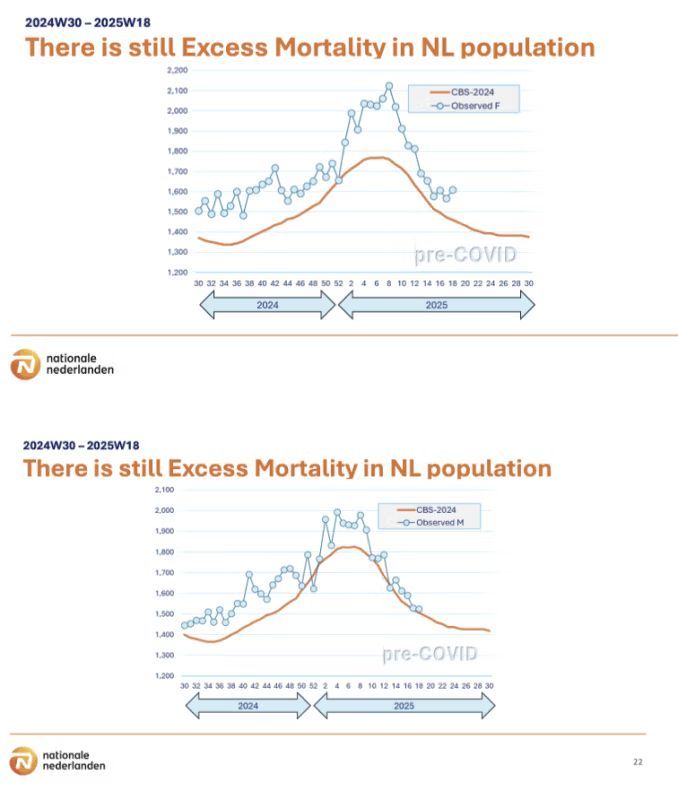
As women used to live longer than men even during severe famines and epidemics, a continued post-pandemic increase in female mortality and disabilities can’t stay hidden or neglected. During the Covid pandemic in many High-Income Countries, injuries, disabilities, and all-cause mortality started to rise above expectations. In 2020, the gender gap in mortality widened due to an observed increased mortality in men. While in 2021 male health seemed to bounce back to earlier trends, mortality and disabilities in women continue to rise above earlier trends and are not expected to solve themselves soon. This might cause a fundamental and permanent change in the dynamics of the gender mortality gap. Recent decisions on austerity measures for budgets on female health and welfare will exacerbate this hidden disaster. Instead, Public Health Experts and CEOs of insurance companies need to take their moral responsibility and turn to smart investments in female health, addressing all gender disparities, to reverse a downward spiral in global population health. A Sudden Rise in Excess Mortality and Disabilities In September 2024, Swiss Re published in their annual report, “Many countries worldwide still report elevated death in their population today.” This impact appears independent of healthcare system or population health. In the pessimistic model, Swiss Re would expect excess deaths to continue for another decade. There is also likely a degree of excess mortality underreporting. CFOs from other life insurance companies confirmed that experienced mortality rates are broadly in line with this report. A skyrocketing increase in disability claimants since 2020 is another puzzling factor why CEOs of insurance companies are facing major problems with their financial model. The growth in demand is much lower, and the number of people making claims is much higher than expected. Declining revenues may soon hit the corporate bottom line. For the first time in 80 years, the stocks from insurer Centene Medicaid plummeted in July 2025 by 41% after the insurer had to withdraw its full financial guidance because previous estimates were way off. The analysis from insurance companies is comparable with earlier reports from Phinance Technologies , which analyzed publicly available data from the US and UK using various methods. Other independent analysts observed similar trends. In recent years, hundreds of peer – reviewed articles discuss excess mortality and adverse events of special interest in various countries of pandemic measurements and after Covid-19 vaccinations. Boston University just published the all-cause mortality in the US as compared to other High-Income Countries and showed that excess death rates peaked in 2021 and declined in 2022 and 2023 but remained substantially higher than pre-pandemic rates, especially in the age group 25-44 years. Mortality among US adults aged 25-44 years was 2.6 times higher as compared to other High-Income Countries. A recent opinion from Kakeya et al. describes a significant increase in excess deaths after repeated Covid-19 vaccinations. Japan is the country with the highest per capita rate of messenger ribonucleic acid mRNA vaccination doses in the world. A systematic review on Covid-19 mechanisms of injury and death compiled with autopsy confirmation by a physician application suggests there is a likelihood of a causal link between Covid-19 vaccines and deaths. While there are studies that conclude there is no significant increase in stillbirths when women were vaccinated with the Covid-19 mRNA vaccine during pregnancy, a study based on VAERS data shows a significant increase. Another, not yet peer-reviewed, study indicates that Covid-19 vaccination with dose 1 during weeks 8-13 of pregnancy was associated with 3.9 fetal losses above expected for every 100 exposed pregnancies. A study in the Czech Republic on live births of vaccinated versus non-vaccinated women demonstrated a substantially lower successful conception rate among vaccinated women than for those who were not vaccinated. The fertility rate in the Czech Republic dropped from 1.85 births per 1,000 women in 2021 to 1.62 in 2022 and 1.45 in 2023. Births in the EU fell to 1.38 births per woman. Also the US reported a historically low birth rate in 2023. Many Western countries are facing a similar problem with dropping fertility rates as the health of young women declined during the pandemic and post-pandemic economic instability. Furthermore, maternal mortality rates accelerated at an alarming rate, especially from 2019-2022 in the US and UK, mainly caused by cardiovascular problems. The sharp spike in maternal death could not be explained by older age. Pregnancy-related maternal deaths are getting worse. In the UK, suicide remains the leading cause of direct maternal death in the first postnatal year. Pandemic measures resulted in a collapse of women’s health and income, especially for those with the lowest wages working in healthcare, social services, education, and retail. During this period, the number of female healthcare worker suicides and fatal overdoses increased . ‘When the health of those who look out for people’s health is at risk the whole population and economy are at risk.’ Furthermore, it is well known that women respond more strongly and may experience a higher risk for complications after vaccinations. An age and sex associated difference in immune cell population might explain this. Observations from vaccination trials in Guinea-Bissau suggest increased female-male mortality ratio associated with inactivated polio and diphtheria-tetanus-pertussis vaccine. There is precedent for the observation that infant girls experience increased mortality following receipt of vaccines. People in healthcare (80% women) have been recommended and sometimes mandated a yearly flu vaccine and several boosters with Covid vaccine. While not tested, a flu vaccine and Covid vaccine were mostly given at the same moment. A recent British study among 1,745 healthcare workers showed booster vaccinations did not contribute to the protection of the healthcare workforce in a post-pandemic setting. The Covid-19 vaccination may even temporarily increase the likelihood of symptomatic infection and workday loss. A study of a large cohort of 3805 healthcare workers in Sweden confirmed that adverse reactions after Covid 19 vaccination can lead to a substantial amount of missed work shifts that can cause organizational disturbances in staffing. Risks were found to differ by vaccine type and regimen used, age, and sex, with young female healthcare workers experiencing more adverse reactions. The recently published British and Swedish studies are in line with a few earlier studies. Recommending a combined use of four vaccines that prior to use had not been tested together during pregnancy when the immune system is following a precious time clock for the survival of both mother and child has been a risky approach. Clinical trials with the Covid mRNA vaccine during pregnancy have shown data with serious worries that should have been openly discussed with pregnant women. Moreover, long-term effects for both mother and child remain unknown. After the Netherlands and the UK, the US only recently said that Covid-19 vaccines are no longer recommended for healthy people under the age of 65 years and pregnant women. Whereas Covid-19 vaccines are still recommended for immunocompromised people, unfortunately they might be more at risk for experiencing Covid-19 infections after booster immunizations. Although a causal relation remains difficult, the effects of repeated mRNA vaccination in combination or shortly before or after other vaccinations and/or using (psychiatric) medicine need to be elucidated. Sex differences in cost-effective harm analysis will help future decision -making. Last week Robert F Kennedy, Jr stopped financing 500 million subsidiaries for the mRNA vaccine platform. Also the director of the NIH Dr Jay Bhattacharya wrote an opinion piece for the Washington Post: “Why the NIH is pivoting away from mRNA vaccines.” As a vaccine for a broad public use mRNA technology has failed to earn public trust. A Post-Pandemic Increase of Female Mortality In nearly all populations, women live longer than men. The ubiquity of female survival advantage for all ages, even during famine or epidemics, when mortality is extraordinarily high is changing. Unfortunately, there is limited information available on sex differences in excess mortality from major respiratory infectious diseases. A peer-reviewed study on the first wave of the Covid-19 pandemic in Italy observed that gender differences in excess risk of death existed, but with a nuanced and non-consistent picture. The general finding of this study is that males up to 75 have been suffering more excess deaths as compared to females. However, this picture is less clear-cut at older ages when more women are living in nursing homes which during the Covid pandemic showed the highest mortality rates. A study from the Netherlands on sex differences in Covid-19 mortalities skipped the data from healthcare workers and people living in nursing homes (mostly females) to confirm that male sex is a predisposing factor for severe Covid-19 independent of age and comorbidities. Some other studies and a recent study (preprint) suggest Covid-19 did not produce lasting shifts in pre-pandemic sex differences in mortality in High-Income Countries and did not change the fundamental dynamic of the sex mortality gap. The authors observed that the male disadvantage in the Covid-19 mortality based on absolute death counts was concentrated in the pre-vaccine phase and declined over time. Relative increases in mortality were often similar between sexes, and in some cases, greater among women. Another study on excess mortality of 561 regions and 21 countries in Europe indicate that in many European regions, where drops in life expectancy were more moderate, more pronounced life expectancy losses were found for women. The authors suggest that the degree of mortality deterioration is not necessarily linked to biological sex. A cohort study of the overall impact of the Covid-19 pandemic on mortality in France observed four consecutive years of excess mortality and a growing impact on people from 20-60s, particularly men. Unfortunately, no peer-reviewed publications on sex differences and excess mortality cover the years 2024-2025. Yet, during the International Conference of Actuaries in 2025 Nationale Nederlanden, a Dutch insurance company, presented a continued rise in female excess mortality in the Dutch population from 2024-2025, while male excess mortality tended to decline. Furthermore, analysis showed a much higher degree of female excess mortality as compared to EU countries in general, while the Dutch male population experienced a better life expectancy as compared to EU countries.
By Carla Peeters March 13, 2025
Many countries now face a growing problem with an aging population and declining childbirths. Too many infants still die unnecessarily before the age of five years. Countries increasingly struggle to keep their economies stable. While Public Health experts communicate to focus on healthier future generations, declining health in young females is ignored. The healthiest generation with a flourishing economy is achieved by a holistic strategy addressing Young Women’s Health as a Public Health priority. The Healthiest Generation of the World in 2040 A Federation of Organizations involved in Public Health in the Netherlands has the ambition to reach the healthiest generation of the world in 2040 . Health is aimed at all levels; mental, social, and physical. To achieve this goal, the Netherlands needs the healthiest young females of the world. In contrast, data analysis from the Netherlands shows the opposite; the health of young women is declining fast. In other Western countries, it won’t be much better. The health of young women has worsened worldwide; it is time to face reality. Women’s bodily functioning and metabolism differ from men and need specific female-adapted health support. While many health problems in a population could be prevented when young females are supported for optimal health prior to pregnancy, this is not a priority of Public Health Agencies. Good health for the next generation starts with a strong and resilient immune system before pregnancy and during the first 1,000 days around pregnancy, birth, and postpartum breastfeeding. Childbirth and children’s health are declining; the number of women dying during pregnancy (within 42 days after labor) is increasing, as well as the number of abortions. Without change, these conflicting trends may develop into a disaster touching all levels of society. The Public Health Future Outlook of the Netherlands predicts that close to 12 million people will have a chronic condition by 2050. Young Women’s Health Is Declining Around half of the young people aged 6-25 years in the Netherlands experience mental health problems. Moreover, 47% of the people aged 15-44 years are diagnosed with at least one chronic disease, with young women more often diagnosed than men. When diagnosed with a chronic disease, people work less, experience more sick leaves, and are less productive. Unfortunately, not being able to work contributes to poorer health and income. An even larger percentage of young people (79%) still suffer from a negative impact of the pandemic, with women and lower-educated individuals hit hardest and experiencing mental problems like emotional exhaustion, stress, and hyperactivity. A recent study published in PNAS showed a faster aging of the brains of young females as compared to young males, which might be related to chronic stress exposure. Students experience more stress than before due to worries about inflation and the high costs of living. Within the EU, the Netherlands has grown into the most expensive country to live in. Unfortunately, there is much more that is troubling the health of young females. Increased Drug Use and a Dangerous Beauty Myth During the pandemic, the use of antidepressants increased by 16% for those aged 16-24 years and for children. Women are prescribed antidepressants earlier and take them twice as much as men. While the positive effects of SSRI have been criticized repeatedly and women report more side effects than men, these medicines are still frequently prescribed by medical doctors. One in four young people in the Netherlands use Ritalin or Concerta ( methylphenidate ) without a medical prescription to improve concentration and study results. Most people are unaware of the potential risks, like sudden death, that are well-known as a potential side effect. Research has shown that 5.5-22.5% of the young have used ADHD medication without a doctor’s prescription. Furthermore, in mid-2023, a worrisome increase in NSAID like paracetamol (Tylenol or Acetaminophen) and ibuprofen use was observed, especially in young girls, increasing the risk for poisoning. The use of antibiotics like amoxicillin increased for children 0-10 years (55%) and for those aged 11-20 years with 50%. As 2023 was the first year after the pandemic with all festivals open to the public, an increased use of party drugs (like ecstasy ) among those aged 16-35 years was noticed with regularly registered symptoms of poisoning. The online and interconnected world exposes the risk of cyberbullying among young people. Ironically, many are feeling lonelier than ever before and are struggling with their weight and self-confidence, setting them up for poor health as adults. The beauty myth is another danger. During the years 2019-2022, the use of fillers increased by 80%, and the use of Botox doubled among young women. Exposure to microplastics, nanoplastics, and nanoparticles has increased. Furthermore, the concentration of PFAS/PFOA in Dutch drinking water is found to be above the norm and may decrease the fertility of both women and men. On the other hand, the use of oral hormonal contraceptives by young girls diminished in the Netherlands, with only a slight increase in the use of an intrauterine hormonal device. Recent studies showed that there is an increased risk, although small, of myocardial infarction or stroke when using hormonal contraceptives. The use of an intrauterine device with levonorgestrel did not show the risk. Given the extensive and ongoing reliance of millions of young women on these drugs, ensuring their safety remains a critical responsibility of the medical community. As well as medical doctors informing young women of potential harm based on the latest scientific literature by informed consent. Over the past 4 years, girls and young women have been exposed to repeated HPV vaccinations and Covid-19 mRNA vaccines within a short period of time, for both of which side effects in women have been reported to be more frequent and severe. Possible interactions and/or interference with these vaccines and long-term effects on the immune system and microbiome have not been investigated beforehand. Neither was knowledge available when it started in 2021 on the possible risks and short- and long-term effects when four vaccines before 22 weeks of pregnancy were introduced. Nutritious Food Not Affordable for Many The importance of daily consumption, as recommended by the WHO, of 400 grams of fresh fruit and vegetables, meat, milk products, and eggs for a healthy life and joyful social and working life is unknown by many young people. For most of them, it has become unaffordable . (Ultra)processed foods are the cheapest satisfying foods with a well-designed composition of low-cost ingredients, sugar, fat, and salt that change the microbiome. Home, school, commercials, social media, influencers, mobile phones, and retail environments are driving obesity and being overweight in children and adolescents, often concurrent with undernutrition and anemia. A growing body of evidence shows that the billions of microorganisms present in our body are intimately involved in weight gain and loss and immune training and modulation, as well as overall host homeostasis. Around 33% of the population in the Netherlands does not consume fruit and vegetables daily. As of 2024, 7.1% of Dutch children live in poverty, and this number is still growing . More children might be undernourished, which is associated with impaired growth, neurodevelopment, and increased infectious morbidity and mortality. To reverse the problem of malnutrition, the delivery of free meals has recently started at primary schools. Unfortunately, this does not make a difference for the children at secondary schools. While sending funding to developing countries to prevent malnutrition, a similar problem appears in front of our eyes in the Netherlands. The young generation predominantly eats more plant-based foods, as it would improve climate change. Almost 30% of young women prefer to shop for vegetarian food, and 0.7% of the Dutch population is vegan. In addition, the EU introduced novel food products such as insects and worms, lab-grown meat, and Bovaer for cows to reduce methane production, which might affect the human immune system. Almost one in five adolescents vape. Long-term effects are yet unknown. In the Netherlands, vapes with synthetic liquids that taste like cola, vanilla, apricot, etc., have now been forbidden . Although smoking is declining in adults, young women more frequently smoke than boys but drink less alcohol. All internal and external environmental factors may contribute to weakening or strengthening the resilience of the immune system and may therefore influence the period of pregnancy, labor, nursing, and the health of mother and child for future generations. Pregnancy Is Regulated by a Unique Complexity of the Immune System Pregnancy is a unique immunological state. The changes of the immune system in the three stages of pregnancy (very early, mid, and late stage) are meticulously timed. In the very early stage, the immune system adjusts to prevent her body from rejecting the fetus while at the same time still being strong enough to keep out foreign pathogens. In the late stage, the body is preparing for labor, which is driven by an inflammatory response. A full-term pregnancy will follow an immunological clock . Changes in this immune profile could help to predict and possibly prevent preterm labor. Studies show that pathologically-driven inflammation might trigger pre-term birth (before 37 weeks). In the Netherlands, 14.8% of the children born are preterm with 9.7% low birth weight for the duration of the pregnancy (Big2). Interestingly, in the case of a preterm child labor, the inflammatory reaction is more heated as compared to a full-term child labor. Preterm birth is an important indicator of a risk for early death, chronic and infectious diseases, sepsis, stunting, and delayed neurological and brain development. This may manifest throughout one’s lifespan. Very early birth and extreme early birth occur in only 1.5% of the Dutch baby population and are responsible for 50% of the deaths of newborn babies. The number of abortions jumped in two years in 2023 to 39,000, with most by women aged 25-34 years of age. Abortion in the Netherlands is allowed until 24 weeks of pregnancy. The number of childbirths has declined dramatically to 167,504 in 2022. That is 1.49 children per woman, with a mean age of 30.3 years. The number of women breast-feeding is also decreasing. At 6 months, women feeding breast milk lowered from 60% to hardly 30% of the young mothers. Each year, around 661 babies in the Netherlands die. Mothers dying within 42 days after labor are around 11 persons a year with an additional 5 women dying by suicide each year, and not counting women who died from cancer. Over the past years, mothers’ deaths have been increasing worldwide, with the leading cause being heart diseases and blood clots. Pregnant women with stress , depression , or anxiety , as well as obese women with gut inflammation and chronic disease, have altered immune systems and, as a consequence of malnutrition, have an altered microbiome. A weakened immune system suggests an increased risk for preeclampsia, high blood pressure, HELLP syndrome, gestational diabetes, preterm labor, and/or low birth weight. ‘Gut Feeling’ a Turmoil for Healthy Future Generations The gut presents 70-80% of the immune cells in the human body. In the mucosal layer of the intestine, neuronal cells, endocrine cells, and immune cells cooperate to manage its metabolism and bodily functioning. Recent studies in mice showed villi of the mucosal layer expanding twice its volume during pregnancy and breastfeeding, slowing food passage, improving digestion for an optimal use of available nutrition. The intestinal mucosal layer is strongly connected to various stages of pregnancy with altered gut microbiota, metabolites, and cytokines. These bioactive metabolites modulate and change the ‘innate’ and ‘adaptive’ immune system. Together, the microbial composition and the mucosal layer of the intestine determine long-term health. Mothers’ intestines influence the biodiversity of the microbiome and the resilience of the immune system, which is transmitted to the baby during pregnancy, labor, and nursing. Earlier periods in life facing hunger, extreme stress, or severe diseases may influence health during pregnancy and may transmit to the baby throughout one’s lifespan and even with intergenerational effects. Specific nutrients may have positive effects during pregnancy, labor, and nursing. Sufficient vitamin D , present in sunlight, nutrition (fish, milk products), or supplements, is a prerequisite during this precious time in life for both mother and child. For young women who wish to become pregnant, it is important to learn how to balance the immune system and the microbiome. The immune system of young women could be the most important regulator of the healthiest generations and a population’s workability and income. Author: dr. Carla Peeters First published at Brownstone Institute
More contributions