
A Big Picture Look at the Disastrous Public Health Response to COVID-19

October 14, 2022

Published at The Brownstone Institute


An underlying principle of public health is, or was, to provide the public with accurate information so that they can make good health choices for themselves and their community. The past 3 years have seen this paradigm turned on its head, with the public’s money being used to deceive and coerce them, forcing them to follow public health dictates. The public has funded their own incarceration and impoverishment through their taxes, with public funds driving the unprecedented nonpharmaceutical, and then pharmaceutical, response to a virus that kills mainly old sick people near the end of their lives. 

Children have had their education downgraded, and economies have been mangled, ensuring future generations will also pay. So, what did the public actually pay for?


COVID-19 was not novel, but a variation on previous respiratory disease.


Most healthy people infected with SARS-CoV-2 recover without any intervention, gaining natural immunity which, in the absence of vaccination, generates a more robust and long-lasting protection with less risk for reinfections as compared to individuals protected by vaccination alone. Globally, the infection fatality rate (IFR) of SARS-CoV-2 is about 0.15% and comparable to seasonal influenza (IFR 0,1 %). The IFR of those under twenty years was only 0.0013 %, and highest for those beyond 70 years. The IFR of COVID-19 among community-dwelling elderly is lower than previously reported in elderly overall.

A higher IFR was found in countries with many long-term care facilities, perhaps because exposure tends to occur through other immune-suppressed elderly, rather than immune competent children with lower viral loads. An aging population goes through the process of immunosenescence and increased incidence and severity of infectious diseases is expected.

Severe COVID-19, or COVID-19 Associated ARDS, is a syndrome within the known ARDS spectrum. Acute Respiratory Distress Syndrome (ARDS) and associated cytokine storm has been recognized for more than 50 years. It occurs when a diverse array of triggers causes acute, bilateral pulmonary inflammation and increased capillary permeability leading to acute hypoxemic respiratory failure. 


Although supportive care improved the prognosis, mortality and disabling complications in survivors in intensive care are still high, and have remained relatively unchanged in the last 20 years. In 2013 an estimated 2.65 million deaths worldwide were attributed to Acute Respiratory Tract Infection.


 As with other ARDS etiologies, people suffering from (COVID-19) ARDS are mostly elderly people with comorbidities including being overweight, hypertension, Type 2 diabetes and cardiovascular diseases, often using multiple medications. Other restrictions on the immune system, such as vitamin D deficiency, put people at increased risk.


As of July 2022, WHO reported over 601 million confirmed cases and over 6.4 million deaths associated with COVID-19 globally. More than half (3.5 million) died after the rollout of the COVID-19 vaccines, though 67.7 % of the world population has received at least one vaccination. The WHO estimates a total of 14.9 million excess deaths in 2020-2021 associated with COVID-19 directly due to the disease or indirectly due to the impact of the public health response on health systems and society.


Footing the bill for the disposal of orthodox public health


Since COVID-19 was recognized in Western countries in early 2020, expenditures on public health in many of them have more than doubled, imposing over $500 billion in monthly costs on the global economy. Some trillions more have been spent on compensation and stimulus packages for those left without income due to the public health response, whilst economies, and therefore future employment opportunities, have been heavily damaged. This is nearly all funded by taxpayers, or borrowed to be funded with interest by the taxpayers of the future.


Politicians and various experts have claimed that the coercive COVID-19 public health policies are the only way to curb COVID-19, though such measures were advised against by the WHO in its pandemic influenza guidelines of 2019. They would increase poverty and inequality, whilst having (still) unproven efficacy.


Citizens have paid the bill via taxes for novel nonpharmaceutical interventions (lockdowns, mask mandates and frequent testing) and repeated vaccinations of immune people with rapidly waning vaccines, whilst seeing their own incomes reduced. The increase in the money supply to cover relief for forced unemployment has driven inflation, contributing to increased food, water, energy, health and insurance costs. These responses have disproportionately harmed low income families. 


Governments take over medical management


Early in the pandemic it became clear that intubating a COVID-19 patient could increase long-term harm and mortality. Unfortunately, many hospitals continued a low threshold for the use of ventilators for the fear that other methods of oxygenation would spread the virus. In 2020 the US spent billions of dollars stockpiling unused ventilators.


In many countries a relatively new antiviral drug, remdesivir, developed with State funding, became the first choice of treatment for hospitalized people with COVID-19. The safety and toxicity of the expensive remdesivir was widely disputed. Yet even after the first results of the WHO’s Solidarity study found little or no effect on reducing hospital stay or Covid deaths, the EU continued a €1.2 billion agreement with Gilead for 500,000 treatments and it continued to be prioritized for use in the United States.


Final results of the Solidarity study confirmed the finding of little or no effect. In contrast, the use of cheaper drugs with antiviral activity, like ivermectin and hydroxychloroquine, was suppressed. Although ivermectin is now included in lists of the US National Institutes of Health in August 2022, governments are silent on its use, preferring to transfer funds to Pharma for newer on-patent drugs. 


Expanding lockdowns from prisons to society


Lockdowns may prove to be one of the gravest governmental failures of modern times. A cost-benefit analysis of the response to COVID-19 found lockdowns to be far more harmful to public health (at least 5-10 times) in terms of well-being than COVID-19. Significant collateral damage is not unexpected, as mass business closures and restricted movement have affected billions of people globally through poverty, food insecurity, loneliness, unemployment, educational interruption, and interrupted healthcare. What did not make media headlines is the more than 3 million children who have died from malnutrition in the first year of the pandemic. Together with increasing malnutrition, the world is facing rising burdens of child marriage and child labor, developmental and mental problems, poverty, suicide and chronic disease. 


Reviews of the effects of lockdowns on COVID-19 mortality concluded there is no broad-based evidence of noticeable COVID-19 benefit. Pandemic models that guided poverty not only overestimated COVID-19 impact but failed to take into account the collateral damage of lockdowns. The sense of fear, anxiety and helplessness brought to families and 2.2 billion children around the globe with removal of future earning capacity and limited access to healthcare will impact lives in an unprecedented manner for generations. 


A recent study analyzing the 50 states of the US, with 10 states that had no lockdown impositions, strongly support the hypothesis that lockdowns place a sudden and severe stress burden on vulnerable demographics and were associated with significant increases in death in those states that used lockdowns as a disease control measure. 


Mental health problems, noncommunicable inflammatory diseasescancer and sudden deaths have increased in people across all age groups, indicating millions of people may now have more compromised immune systems. The links between stress/anxiety, ill-health and early death have long been recognized.


Within Western countries, the most deprived people and neighborhoods have higher risks for severe COVID-19, and higher mortality rates. The underprivileged in society are disproportionately affected by infectious diseases due to poverty, malnutrition, chronic stress, depression and anxiety, a deprived immune system and poor access to health-care. Rather than enhancing the resilience of these populations, the public health response has compounded their poverty, removed education opportunities, and so increased their vulnerability to this and future pandemics.


Testing for sake of testing


State investments were made for COVID-19 diagnostics: PCR tests and point-of-care tests including rapid antigen tests. While billions of tests have been used, they are poor in distinguishing infectiousness and inaccuracy provides a false sense of security, with positive results unnecessary driving fear and sick leave. 


The WHO had previously, sensibly, advised against contact tracing once extensive community spread is present – people will be infected eventually, and gain immunity. Spending resources to find a small proportion, not possibly sufficient to stop transmission, is epidemiologically pointless. No reason was provided for reversing this orthodox and logical advice.


Hiding faces to pollute the environment


While there is no sound scientific support for the effectiveness of face mask mandates in the community, including children, state governments invested in the availability of free face masks for all citizens. The two published randomized controlled trials of face masks during COVID-19 showed minimal or no impact, while meta-analyses of previous studies show no significant efficacy. Yet in the first half of 2020 importation of face masks in the EU grew 1,800 % to €14 billion, while the industry in 2021 was worth $4.58 billion globally. Face masks with microplastics and nanoparticles are now polluting the environment, and potentially increasing the risk of impaired immune systems


Getting an awkward technology past the regulators


Despite severe COVID-19 being highly concentrated in elderly people since early 2020, with significant comorbidities and strong evidence of effectiveness of postinfection immunity, the WHO stated in early 2021 that vaccinating the global population against COVID-19 is the only long-term strategy to contain the coronavirus crisis; “No one is safe until everyone is safe”. Rising vaccination rates were said to be necessary to improve healthcare, job prospects and future educational plans. 


Unfortunately, the peak efficiency of 97% and 96% respectively claimed for the Moderna and Pizer COVID-19 vaccines against COVID hospitalization waned rapidly after vaccination. The 6-month follow-up reports showed no reduction in all-cause mortality. The COVID-19 adenovector vaccines from Astra-Zeneca and Johnson & Johnson showed better protection against mortality but aren’t used for booster vaccinations in most countries due to the risk of vaccine-related side effects.

A recent peer-reviewed article by Fraiman et al. noted excess risk of serious adverse events analyzing the trial data of both mRNA vaccines that points to the need for formal harm-benefit analyses, particularly those that are stratified according to risk of serious COVID-19 outcomes. The authors request the public release of participant level datasets from the sponsoring drug companies, which is still not openly available.


Moreover, the vice president of Pfizer, answered the question of Rob Roos, a Dutch Europarlementarier during the European Commission on October 11, 2022, concerning whether the mRNA vaccine of Pfizer had been tested for prevention of transmission of the virus before the release of the vaccine in 2021. She said no, thus indicating the vaccine promotion and coercion was based on false arguments.


For authorization to use medical interventions the benefits need to outweigh the risks. These mRNA vaccines don’t clearly meet this bar for people under 70 years of age. A recent study by nine health experts from major universities found that per COVID-19 hospitalization prevented in previously uninfected young adults, between 18 and 98 serious adverse events were observed. In Scandinavian countries the use of the Moderna mRNA vaccine has been restricted for the potential risk of heart inflammation in adolescents.


Although official reports on the side effects of the COVID-19 vaccines by Public Health Institutes have been limited, there is growing data on myocarditis, menstrual irregularities or the excess of all cause mortality and severe outcomes in vaccinated groups. The recent leakage of Israeli safety data and release of US CDC V safe Data show serious safety problems with COVID-19 vaccines that deliberately need further investigations.


Countries with the highest vaccination rates and strongest coercive measures have experienced high numbers of hospitalization and deaths, while some with a low vaccination rate, including many sub-Saharan countries maintained low Covid-19 mortality. Antibody responses are shown to be lower in elderly people while decreased responses or higher infection rates have occurred after repeated vaccinations. The CDC disclosed just how fast mRNA boosters can fail. 

This calls into question the mass all-population vaccination and boosting strategy. Pascal Soriot, the CEO of Astra-Zeneca, has suggested that “booster jabs for healthy people on a yearly basis are a waste of tax money


A temporary reprieve


On August 11, 2022, the US Centers for Disease Control and Prevention (CDC) stated that the virus now poses significantly lower risk due to high levels of immunity from vaccines and infections. On August 19, it changed its recommendations to reflect this, no longer differentiating between vaccine status or post-infection immunity. President Biden declared in September 2022 “The pandemic is over,” though it remains unclear what this means with ‘emergency’ measures remaining in place.

While the global economy has suffered, this is only clear from a specific standpoint. In contrast to the mass of the population, private companies are involved in the response, particularly in the pharmaceutical, biotech and web-based sectors. These companies have increased their wealth by hundreds of billions of dollars in 2020 and 2021, as did high-net-worth individuals, many of whom were advocating for the response that ensured this. 


The beguiling vision of fleecing taxpayers to benefit the private sector


The current COVID-19 response has wiped out the gains from decades of global progress in health and incomeespecially for women and has exacerbated persistent inequities. Unfortunately, a world that is facing the most serious health crisis in a century and the most serious economic and social crises since the second World War is now also on the hook to fund those who would repeat this. 


Together with the WHO, world leaders have now called for a global pandemic preparedness treaty to make this state of affairs more readily repeatable. They justify this call for further diversion of public funds through the harms, financial and other, accrued during the COVID-19 outbreak. 


This is driven by a vision that health is a political choice based on solidarity and ‘equity’ to be established in a centralized global response delivered via international organizations including the WHO, UNICEFGavi, (a global Vaccine Alliance) and the public-private partnership Coalition for Economic Preparedness Information (CEPI), launched in 2017 at the WEF by Bill Gates, the Wellcome Trust, Norwegian Government and others. Finance institutions, including the World Bank, have now stepped in to accelerate the growth of this burgeoning pandemic industry. A new World Bank-hosted Financial Intermediary Fund (FIF) for pandemic prevention, preparedness and response was installed at the G20 Health Ministerial Meeting in June 2022.


A real concern is growing that the new vision of drug and vaccine approval by the FDA and EMA will expand a commercialized market driven by drug manufacturers at the expense of rigorous independent scientific and regulatory review. This risks irreparable harm for many people while boosting the profits of pharmaceutical and biotech companies. Prescribed medications are already estimated to be the third most common contributor to death globally after heart disease and cancer.


Despite their stated intent, the investments in COVID-19 vaccinations and nonpharmaceutical interventions of the past three years have not improved human capital, economic and societal performance. Moreover illnesses, disabilities and mortality show steep rises in the working age group (25-64 years) as observed by insurance companies. Predictions by consultancy firms of the support Covid-19 vaccinations would provide to the economy have been unrealistic. Countries are now facing shortages of healthcare workers in part due to vaccine mandates, reducing healthcare access to people with ill-health who have paid insurance and tax money for healthcare. It might even result in bankruptcy of hospitals


Good Health, the most precious asset of life 


The CEO of CEPI stated in an interview with McKinsey that “The emergent issue of waning immunity and the threat posed by the evolution of the virus tell us that we need to produce broader and more enduring immune responses.” Mass surveillance, lockdowns, wearing face masks and poorly effective COVID-19 vaccines have contributed to chronic stress, fear and anxiety that reduce the resilience of immunity. Unfortunately, when the immune system (immunosenescence) is weakened vaccinations are also less able to generate effective protection.


More state investments in frequent vaccinations, mass distribution of vaccines, developing new vaccines within 100 days, development of simulating models, and more clinical trials will be poor alternatives to strengthen the underlying immune systems through a life in freedom with high social capital, a healthy diet, education, sports, play, social interactions, equity in decision-making and fair earnings. 


Health is key for resilient economies worldwide. The relationship between health and the economy is bidirectional, whereby economic growth enables funding in investments that improve health; and a healthy population contributes to and enhances an economy. Therefore, public and private investments in health for all needs to transform from maximizing value for money to positive cumulative impacts on people’s lives. 


Optimizing health is the ultimate goal and a human right. The global response to the coronavirus pandemic has revealed an ethical crisis in public health, in which the pre-pandemic norms of public health ethics have been cast aside. 

This has wrecked health, human rights and economies, whilst the people public health was supposed to serve it had to pay for its implementation, and will pay for its harms. It will be a long way back, and recovery will require public health to return to its servant nature, and leave the limelight where it caused such disaster.


Authors


Carla Peeters is founder and managing director of COBALA Good Care Feels Better. She obtained a PhD in Immunology from the Medical Faculty of Utrecht, studied Molecular Sciences at Wageningen University and Research, and followed a four-year course in Higher Nature Scientific Education with a specialization in medical laboratory diagnostics and research. She studied at various business schools including London Business School, INSEAD and Nyenrode Business School.


David Bell, Senior Scholar at Brownstone Institute, is a public health physician and biotech consultant in global health. He is the former Program Head for malaria and febrile diseases at the Foundation for Innovative New Diagnostics (FIND) in Geneva, Switzerland.
By Carla Peeters January 23, 2026
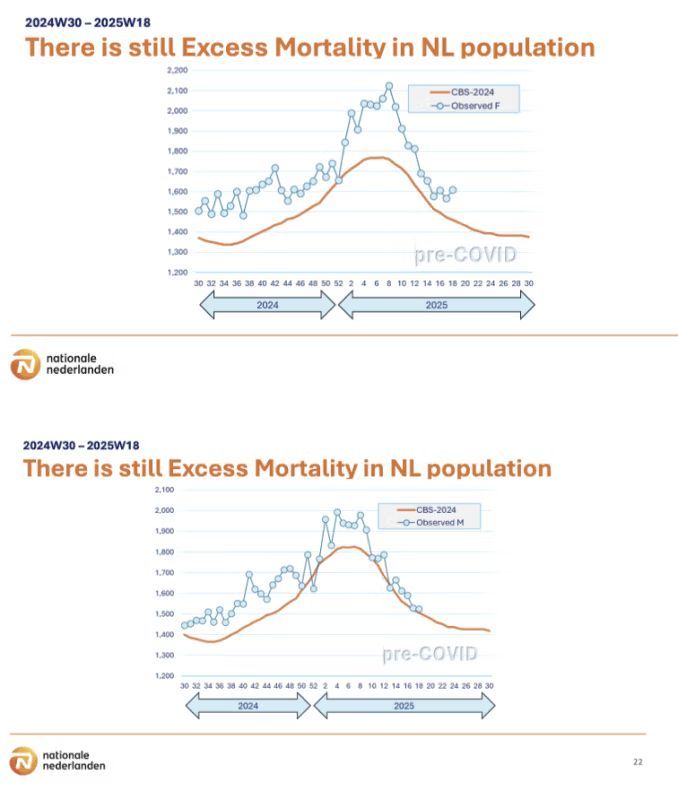
As women used to live longer than men even during severe famines and epidemics, a continued post-pandemic increase in female mortality and disabilities can’t stay hidden or neglected. During the Covid pandemic in many High-Income Countries, injuries, disabilities, and all-cause mortality started to rise above expectations. In 2020, the gender gap in mortality widened due to an observed increased mortality in men. While in 2021 male health seemed to bounce back to earlier trends, mortality and disabilities in women continue to rise above earlier trends and are not expected to solve themselves soon. This might cause a fundamental and permanent change in the dynamics of the gender mortality gap. Recent decisions on austerity measures for budgets on female health and welfare will exacerbate this hidden disaster. Instead, Public Health Experts and CEOs of insurance companies need to take their moral responsibility and turn to smart investments in female health, addressing all gender disparities, to reverse a downward spiral in global population health. A Sudden Rise in Excess Mortality and Disabilities In September 2024, Swiss Re published in their annual report, “Many countries worldwide still report elevated death in their population today.” This impact appears independent of healthcare system or population health. In the pessimistic model, Swiss Re would expect excess deaths to continue for another decade. There is also likely a degree of excess mortality underreporting. CFOs from other life insurance companies confirmed that experienced mortality rates are broadly in line with this report. A skyrocketing increase in disability claimants since 2020 is another puzzling factor why CEOs of insurance companies are facing major problems with their financial model. The growth in demand is much lower, and the number of people making claims is much higher than expected. Declining revenues may soon hit the corporate bottom line. For the first time in 80 years, the stocks from insurer Centene Medicaid plummeted in July 2025 by 41% after the insurer had to withdraw its full financial guidance because previous estimates were way off. The analysis from insurance companies is comparable with earlier reports from Phinance Technologies , which analyzed publicly available data from the US and UK using various methods. Other independent analysts observed similar trends. In recent years, hundreds of peer – reviewed articles discuss excess mortality and adverse events of special interest in various countries of pandemic measurements and after Covid-19 vaccinations. Boston University just published the all-cause mortality in the US as compared to other High-Income Countries and showed that excess death rates peaked in 2021 and declined in 2022 and 2023 but remained substantially higher than pre-pandemic rates, especially in the age group 25-44 years. Mortality among US adults aged 25-44 years was 2.6 times higher as compared to other High-Income Countries. A recent opinion from Kakeya et al. describes a significant increase in excess deaths after repeated Covid-19 vaccinations. Japan is the country with the highest per capita rate of messenger ribonucleic acid mRNA vaccination doses in the world. A systematic review on Covid-19 mechanisms of injury and death compiled with autopsy confirmation by a physician application suggests there is a likelihood of a causal link between Covid-19 vaccines and deaths. While there are studies that conclude there is no significant increase in stillbirths when women were vaccinated with the Covid-19 mRNA vaccine during pregnancy, a study based on VAERS data shows a significant increase. Another, not yet peer-reviewed, study indicates that Covid-19 vaccination with dose 1 during weeks 8-13 of pregnancy was associated with 3.9 fetal losses above expected for every 100 exposed pregnancies. A study in the Czech Republic on live births of vaccinated versus non-vaccinated women demonstrated a substantially lower successful conception rate among vaccinated women than for those who were not vaccinated. The fertility rate in the Czech Republic dropped from 1.85 births per 1,000 women in 2021 to 1.62 in 2022 and 1.45 in 2023. Births in the EU fell to 1.38 births per woman. Also the US reported a historically low birth rate in 2023. Many Western countries are facing a similar problem with dropping fertility rates as the health of young women declined during the pandemic and post-pandemic economic instability. Furthermore, maternal mortality rates accelerated at an alarming rate, especially from 2019-2022 in the US and UK, mainly caused by cardiovascular problems. The sharp spike in maternal death could not be explained by older age. Pregnancy-related maternal deaths are getting worse. In the UK, suicide remains the leading cause of direct maternal death in the first postnatal year. Pandemic measures resulted in a collapse of women’s health and income, especially for those with the lowest wages working in healthcare, social services, education, and retail. During this period, the number of female healthcare worker suicides and fatal overdoses increased . ‘When the health of those who look out for people’s health is at risk the whole population and economy are at risk.’ Furthermore, it is well known that women respond more strongly and may experience a higher risk for complications after vaccinations. An age and sex associated difference in immune cell population might explain this. Observations from vaccination trials in Guinea-Bissau suggest increased female-male mortality ratio associated with inactivated polio and diphtheria-tetanus-pertussis vaccine. There is precedent for the observation that infant girls experience increased mortality following receipt of vaccines. People in healthcare (80% women) have been recommended and sometimes mandated a yearly flu vaccine and several boosters with Covid vaccine. While not tested, a flu vaccine and Covid vaccine were mostly given at the same moment. A recent British study among 1,745 healthcare workers showed booster vaccinations did not contribute to the protection of the healthcare workforce in a post-pandemic setting. The Covid-19 vaccination may even temporarily increase the likelihood of symptomatic infection and workday loss. A study of a large cohort of 3805 healthcare workers in Sweden confirmed that adverse reactions after Covid 19 vaccination can lead to a substantial amount of missed work shifts that can cause organizational disturbances in staffing. Risks were found to differ by vaccine type and regimen used, age, and sex, with young female healthcare workers experiencing more adverse reactions. The recently published British and Swedish studies are in line with a few earlier studies. Recommending a combined use of four vaccines that prior to use had not been tested together during pregnancy when the immune system is following a precious time clock for the survival of both mother and child has been a risky approach. Clinical trials with the Covid mRNA vaccine during pregnancy have shown data with serious worries that should have been openly discussed with pregnant women. Moreover, long-term effects for both mother and child remain unknown. After the Netherlands and the UK, the US only recently said that Covid-19 vaccines are no longer recommended for healthy people under the age of 65 years and pregnant women. Whereas Covid-19 vaccines are still recommended for immunocompromised people, unfortunately they might be more at risk for experiencing Covid-19 infections after booster immunizations. Although a causal relation remains difficult, the effects of repeated mRNA vaccination in combination or shortly before or after other vaccinations and/or using (psychiatric) medicine need to be elucidated. Sex differences in cost-effective harm analysis will help future decision -making. Last week Robert F Kennedy, Jr stopped financing 500 million subsidiaries for the mRNA vaccine platform. Also the director of the NIH Dr Jay Bhattacharya wrote an opinion piece for the Washington Post: “Why the NIH is pivoting away from mRNA vaccines.” As a vaccine for a broad public use mRNA technology has failed to earn public trust. A Post-Pandemic Increase of Female Mortality In nearly all populations, women live longer than men. The ubiquity of female survival advantage for all ages, even during famine or epidemics, when mortality is extraordinarily high is changing. Unfortunately, there is limited information available on sex differences in excess mortality from major respiratory infectious diseases. A peer-reviewed study on the first wave of the Covid-19 pandemic in Italy observed that gender differences in excess risk of death existed, but with a nuanced and non-consistent picture. The general finding of this study is that males up to 75 have been suffering more excess deaths as compared to females. However, this picture is less clear-cut at older ages when more women are living in nursing homes which during the Covid pandemic showed the highest mortality rates. A study from the Netherlands on sex differences in Covid-19 mortalities skipped the data from healthcare workers and people living in nursing homes (mostly females) to confirm that male sex is a predisposing factor for severe Covid-19 independent of age and comorbidities. Some other studies and a recent study (preprint) suggest Covid-19 did not produce lasting shifts in pre-pandemic sex differences in mortality in High-Income Countries and did not change the fundamental dynamic of the sex mortality gap. The authors observed that the male disadvantage in the Covid-19 mortality based on absolute death counts was concentrated in the pre-vaccine phase and declined over time. Relative increases in mortality were often similar between sexes, and in some cases, greater among women. Another study on excess mortality of 561 regions and 21 countries in Europe indicate that in many European regions, where drops in life expectancy were more moderate, more pronounced life expectancy losses were found for women. The authors suggest that the degree of mortality deterioration is not necessarily linked to biological sex. A cohort study of the overall impact of the Covid-19 pandemic on mortality in France observed four consecutive years of excess mortality and a growing impact on people from 20-60s, particularly men. Unfortunately, no peer-reviewed publications on sex differences and excess mortality cover the years 2024-2025. Yet, during the International Conference of Actuaries in 2025 Nationale Nederlanden, a Dutch insurance company, presented a continued rise in female excess mortality in the Dutch population from 2024-2025, while male excess mortality tended to decline. Furthermore, analysis showed a much higher degree of female excess mortality as compared to EU countries in general, while the Dutch male population experienced a better life expectancy as compared to EU countries.
By Carla Peeters March 13, 2025
Many countries now face a growing problem with an aging population and declining childbirths. Too many infants still die unnecessarily before the age of five years. Countries increasingly struggle to keep their economies stable. While Public Health experts communicate to focus on healthier future generations, declining health in young females is ignored. The healthiest generation with a flourishing economy is achieved by a holistic strategy addressing Young Women’s Health as a Public Health priority. The Healthiest Generation of the World in 2040 A Federation of Organizations involved in Public Health in the Netherlands has the ambition to reach the healthiest generation of the world in 2040 . Health is aimed at all levels; mental, social, and physical. To achieve this goal, the Netherlands needs the healthiest young females of the world. In contrast, data analysis from the Netherlands shows the opposite; the health of young women is declining fast. In other Western countries, it won’t be much better. The health of young women has worsened worldwide; it is time to face reality. Women’s bodily functioning and metabolism differ from men and need specific female-adapted health support. While many health problems in a population could be prevented when young females are supported for optimal health prior to pregnancy, this is not a priority of Public Health Agencies. Good health for the next generation starts with a strong and resilient immune system before pregnancy and during the first 1,000 days around pregnancy, birth, and postpartum breastfeeding. Childbirth and children’s health are declining; the number of women dying during pregnancy (within 42 days after labor) is increasing, as well as the number of abortions. Without change, these conflicting trends may develop into a disaster touching all levels of society. The Public Health Future Outlook of the Netherlands predicts that close to 12 million people will have a chronic condition by 2050. Young Women’s Health Is Declining Around half of the young people aged 6-25 years in the Netherlands experience mental health problems. Moreover, 47% of the people aged 15-44 years are diagnosed with at least one chronic disease, with young women more often diagnosed than men. When diagnosed with a chronic disease, people work less, experience more sick leaves, and are less productive. Unfortunately, not being able to work contributes to poorer health and income. An even larger percentage of young people (79%) still suffer from a negative impact of the pandemic, with women and lower-educated individuals hit hardest and experiencing mental problems like emotional exhaustion, stress, and hyperactivity. A recent study published in PNAS showed a faster aging of the brains of young females as compared to young males, which might be related to chronic stress exposure. Students experience more stress than before due to worries about inflation and the high costs of living. Within the EU, the Netherlands has grown into the most expensive country to live in. Unfortunately, there is much more that is troubling the health of young females. Increased Drug Use and a Dangerous Beauty Myth During the pandemic, the use of antidepressants increased by 16% for those aged 16-24 years and for children. Women are prescribed antidepressants earlier and take them twice as much as men. While the positive effects of SSRI have been criticized repeatedly and women report more side effects than men, these medicines are still frequently prescribed by medical doctors. One in four young people in the Netherlands use Ritalin or Concerta ( methylphenidate ) without a medical prescription to improve concentration and study results. Most people are unaware of the potential risks, like sudden death, that are well-known as a potential side effect. Research has shown that 5.5-22.5% of the young have used ADHD medication without a doctor’s prescription. Furthermore, in mid-2023, a worrisome increase in NSAID like paracetamol (Tylenol or Acetaminophen) and ibuprofen use was observed, especially in young girls, increasing the risk for poisoning. The use of antibiotics like amoxicillin increased for children 0-10 years (55%) and for those aged 11-20 years with 50%. As 2023 was the first year after the pandemic with all festivals open to the public, an increased use of party drugs (like ecstasy ) among those aged 16-35 years was noticed with regularly registered symptoms of poisoning. The online and interconnected world exposes the risk of cyberbullying among young people. Ironically, many are feeling lonelier than ever before and are struggling with their weight and self-confidence, setting them up for poor health as adults. The beauty myth is another danger. During the years 2019-2022, the use of fillers increased by 80%, and the use of Botox doubled among young women. Exposure to microplastics, nanoplastics, and nanoparticles has increased. Furthermore, the concentration of PFAS/PFOA in Dutch drinking water is found to be above the norm and may decrease the fertility of both women and men. On the other hand, the use of oral hormonal contraceptives by young girls diminished in the Netherlands, with only a slight increase in the use of an intrauterine hormonal device. Recent studies showed that there is an increased risk, although small, of myocardial infarction or stroke when using hormonal contraceptives. The use of an intrauterine device with levonorgestrel did not show the risk. Given the extensive and ongoing reliance of millions of young women on these drugs, ensuring their safety remains a critical responsibility of the medical community. As well as medical doctors informing young women of potential harm based on the latest scientific literature by informed consent. Over the past 4 years, girls and young women have been exposed to repeated HPV vaccinations and Covid-19 mRNA vaccines within a short period of time, for both of which side effects in women have been reported to be more frequent and severe. Possible interactions and/or interference with these vaccines and long-term effects on the immune system and microbiome have not been investigated beforehand. Neither was knowledge available when it started in 2021 on the possible risks and short- and long-term effects when four vaccines before 22 weeks of pregnancy were introduced. Nutritious Food Not Affordable for Many The importance of daily consumption, as recommended by the WHO, of 400 grams of fresh fruit and vegetables, meat, milk products, and eggs for a healthy life and joyful social and working life is unknown by many young people. For most of them, it has become unaffordable . (Ultra)processed foods are the cheapest satisfying foods with a well-designed composition of low-cost ingredients, sugar, fat, and salt that change the microbiome. Home, school, commercials, social media, influencers, mobile phones, and retail environments are driving obesity and being overweight in children and adolescents, often concurrent with undernutrition and anemia. A growing body of evidence shows that the billions of microorganisms present in our body are intimately involved in weight gain and loss and immune training and modulation, as well as overall host homeostasis. Around 33% of the population in the Netherlands does not consume fruit and vegetables daily. As of 2024, 7.1% of Dutch children live in poverty, and this number is still growing . More children might be undernourished, which is associated with impaired growth, neurodevelopment, and increased infectious morbidity and mortality. To reverse the problem of malnutrition, the delivery of free meals has recently started at primary schools. Unfortunately, this does not make a difference for the children at secondary schools. While sending funding to developing countries to prevent malnutrition, a similar problem appears in front of our eyes in the Netherlands. The young generation predominantly eats more plant-based foods, as it would improve climate change. Almost 30% of young women prefer to shop for vegetarian food, and 0.7% of the Dutch population is vegan. In addition, the EU introduced novel food products such as insects and worms, lab-grown meat, and Bovaer for cows to reduce methane production, which might affect the human immune system. Almost one in five adolescents vape. Long-term effects are yet unknown. In the Netherlands, vapes with synthetic liquids that taste like cola, vanilla, apricot, etc., have now been forbidden . Although smoking is declining in adults, young women more frequently smoke than boys but drink less alcohol. All internal and external environmental factors may contribute to weakening or strengthening the resilience of the immune system and may therefore influence the period of pregnancy, labor, nursing, and the health of mother and child for future generations. Pregnancy Is Regulated by a Unique Complexity of the Immune System Pregnancy is a unique immunological state. The changes of the immune system in the three stages of pregnancy (very early, mid, and late stage) are meticulously timed. In the very early stage, the immune system adjusts to prevent her body from rejecting the fetus while at the same time still being strong enough to keep out foreign pathogens. In the late stage, the body is preparing for labor, which is driven by an inflammatory response. A full-term pregnancy will follow an immunological clock . Changes in this immune profile could help to predict and possibly prevent preterm labor. Studies show that pathologically-driven inflammation might trigger pre-term birth (before 37 weeks). In the Netherlands, 14.8% of the children born are preterm with 9.7% low birth weight for the duration of the pregnancy (Big2). Interestingly, in the case of a preterm child labor, the inflammatory reaction is more heated as compared to a full-term child labor. Preterm birth is an important indicator of a risk for early death, chronic and infectious diseases, sepsis, stunting, and delayed neurological and brain development. This may manifest throughout one’s lifespan. Very early birth and extreme early birth occur in only 1.5% of the Dutch baby population and are responsible for 50% of the deaths of newborn babies. The number of abortions jumped in two years in 2023 to 39,000, with most by women aged 25-34 years of age. Abortion in the Netherlands is allowed until 24 weeks of pregnancy. The number of childbirths has declined dramatically to 167,504 in 2022. That is 1.49 children per woman, with a mean age of 30.3 years. The number of women breast-feeding is also decreasing. At 6 months, women feeding breast milk lowered from 60% to hardly 30% of the young mothers. Each year, around 661 babies in the Netherlands die. Mothers dying within 42 days after labor are around 11 persons a year with an additional 5 women dying by suicide each year, and not counting women who died from cancer. Over the past years, mothers’ deaths have been increasing worldwide, with the leading cause being heart diseases and blood clots. Pregnant women with stress , depression , or anxiety , as well as obese women with gut inflammation and chronic disease, have altered immune systems and, as a consequence of malnutrition, have an altered microbiome. A weakened immune system suggests an increased risk for preeclampsia, high blood pressure, HELLP syndrome, gestational diabetes, preterm labor, and/or low birth weight. ‘Gut Feeling’ a Turmoil for Healthy Future Generations The gut presents 70-80% of the immune cells in the human body. In the mucosal layer of the intestine, neuronal cells, endocrine cells, and immune cells cooperate to manage its metabolism and bodily functioning. Recent studies in mice showed villi of the mucosal layer expanding twice its volume during pregnancy and breastfeeding, slowing food passage, improving digestion for an optimal use of available nutrition. The intestinal mucosal layer is strongly connected to various stages of pregnancy with altered gut microbiota, metabolites, and cytokines. These bioactive metabolites modulate and change the ‘innate’ and ‘adaptive’ immune system. Together, the microbial composition and the mucosal layer of the intestine determine long-term health. Mothers’ intestines influence the biodiversity of the microbiome and the resilience of the immune system, which is transmitted to the baby during pregnancy, labor, and nursing. Earlier periods in life facing hunger, extreme stress, or severe diseases may influence health during pregnancy and may transmit to the baby throughout one’s lifespan and even with intergenerational effects. Specific nutrients may have positive effects during pregnancy, labor, and nursing. Sufficient vitamin D , present in sunlight, nutrition (fish, milk products), or supplements, is a prerequisite during this precious time in life for both mother and child. For young women who wish to become pregnant, it is important to learn how to balance the immune system and the microbiome. The immune system of young women could be the most important regulator of the healthiest generations and a population’s workability and income. Author: dr. Carla Peeters First published at Brownstone Institute
More contributions